
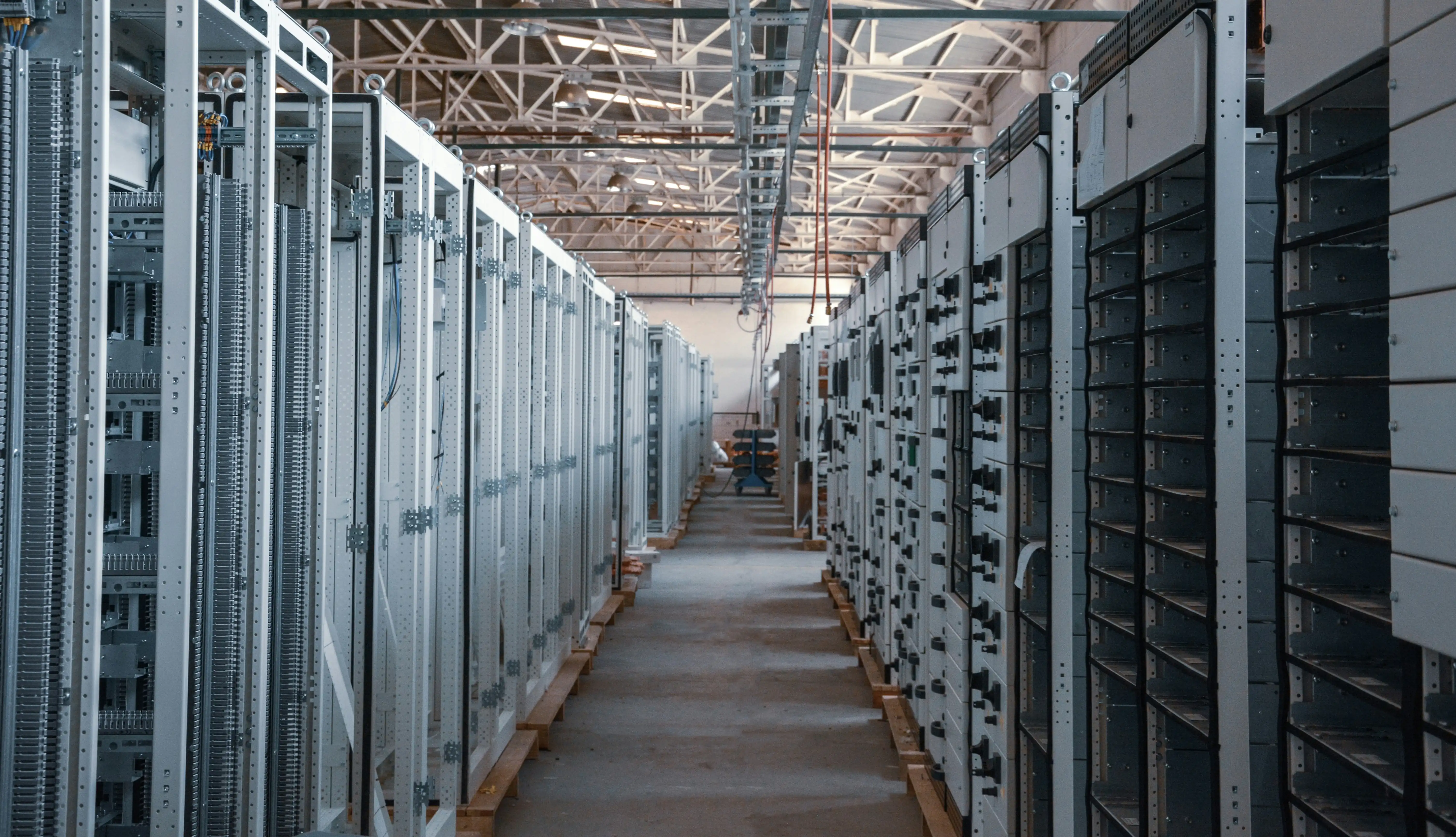
Data center decommissioning, relocation, and value recovery.
Turnkey decommissioning for cloud-migration exits, colo lease surrenders, and multi-site consolidations. Inventory, deinstall, secure logistics, certified sanitization, and hardware buyback. Residual value credited back to you.
Tell us about the facility coming down.
Provide your site count and estimated rack or server volume. Our team will review the scope and follow up on a project plan and hardware buyback estimate.
- Colocation lease exits, cloud migrations, and enterprise consolidations.
- Inventory, de-rack, transport, sanitize, remarket — one unbroken chain of custody.
- Hardware resale value credited directly against project services, returning net capital.
Prefer to talk now? 470-284-5400 · sales@critical-technology.com
What is data center decommissioning?
UPDATED SEPTEMBER 2026
Data center decommissioning is the systematic, planned shutdown and removal of IT infrastructure from a facility — encompassing inventory discovery, cable abatement, certified data sanitization, physical de-racking, secure logistics, and asset remarketing. It is server disposal executed at facility scale under a single unbroken chain of custody. CTS orchestrates end-to-end decommissioning across colocation cages, private enterprise data halls, and hyperscale environments nationwide, issuing certificates of destruction per serial number and returning surplus hardware value back to your IT budget.
Preparing for an upcoming facility shutdown? Download or copy our step-by-step Data Center Decommissioning Checklist & SOP →
The 4-phase enterprise decommissioning process.
Discovery & Cutover Synchronization
- Automated IoT barcode scanning and full CMDB reconciliation
- Port-by-port cable and power mapping across all active racks
- Coordination with network engineering to verify production workload migration
- Facility security clearance, COI insurance issuance, and freight elevator reservations
Sanitization & Precision De-Racking
- Onsite NIST SP 800-88 Purge/Clear sanitization or high-speed mobile shredding
- Orderly shutdown: applications → virtual hosts → SAN storage → network fabric → PDUs
- Careful extraction of high-value components (transceivers, memory, CPUs, GPUs)
- Methodical de-racking, serialized anti-static bagging, and custom shock palletization
Dedicated Secure Chain-of-Custody Logistics
- Dedicated point-to-point freight with tamper-evident seal verification at dock
- Real-time GPS tracking and geofencing monitoring from origin dock to CTS facility
- Dual-driver teams and armed transport available for sensitive/classified defense loads
- Immediate electronic custody transfer sign-off with customer site lead
Settlement, Facility Handover & Recycling
- Cage sweeping, subfloor cable pull, and landlord leasehold compliance sign-off
- Multi-channel secondary market remarketing with transparent per-asset value-share
- R2v3-certified downstream material recovery for scrap metal and electronics
- Final closeout package: Certificates of Destruction, custody manifest, and wire disbursement
When the data center has to come down.
Cloud migration exit
You're migrating workloads to AWS, Azure, or GCP. The on-prem infrastructure is a stranded asset. We decommission, securely wipe, and monetize the hardware.
Colo cage surrender
Your colocation lease is ending. We schedule the de-rack, pull cables, clean the cage to landlord broom-clean specifications, and avoid expensive holdover penalties.
Multi-facility consolidation
You're consolidating regional data centers into central hubs. We orchestrate nationwide logistics and deliver one unified chain of custody across all sites.
M&A integration
Corporate acquisitions leave redundant, legacy data centers. We audit, inventory undocumented racks, de-rack, and recover capital back to the enterprise.
AI & GPU cluster refresh
Upgrading to next-generation GPU compute. We handle specialized de-racking, optic harvesting, and maximize buyback return on previous-generation nodes.
Every decommission has distinct requirements.
| PROJECT SCENARIO | OPERATIONAL FOCUS | PRIMARY RISK TO MITIGATE |
|---|---|---|
| Colo cage surrender | Strict hard deadline tied to lease expiration; landlord mandates broom-clean floor, ladder rack removal, and sub-metered PDU inspection. | Costly holdover rent penalties (often 150%–200% standard rent) if de-racking slips. |
| Cloud migration cutover | Decommissioning must be synchronized with application cutovers and verified data replication before physical power-down. | Accidental shutdown of orphaned or undocumented production dependencies. |
| Multi-site consolidation | Disparate facilities operating on varied timelines; requires unified serialized manifests and central cloud reporting. | Assets falling through tracking cracks between remote branches and freight carriers. |
| AI / High-density GPU refresh | Heavy 4U/8U chassis (up to 300 lbs/server), liquid-cooling drainage requirements, and extremely high-value optic transceiver harvesting. | Physical damage to delicate board traces or forfeiting six-figure secondary market resale value. |
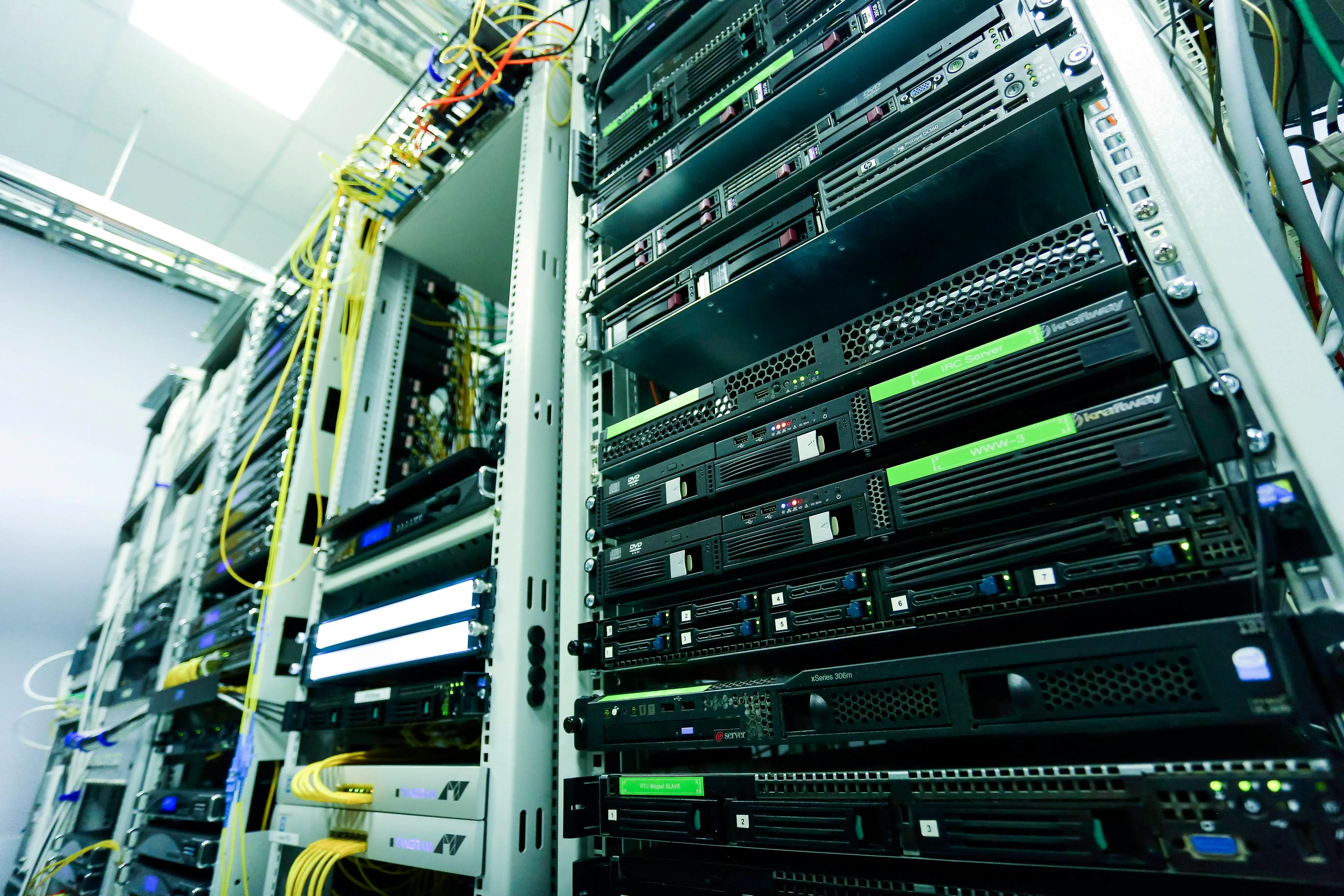
IoT-enabled asset tagging and port mapping.
The single biggest failure point in decommissioning is lack of documentation. Unracking hardware without reconciling your asset register creates unaccounted-for drives and regulatory exposure.
Our IoT scanning toolkit captures every device's full configuration: make, model, serial number, internal asset tag, rack unit position, power draw, and port mapping. Everything syncs directly to your secure client portal as an auditable baseline before any cable is unseated.
What drives the cost — and what offsets it.
A data center decommission is not a flat expense; it is a net calculation. Services carry labor and logistics fees, while retired hardware retains significant secondary market resale value. Eligible buyback value may offset some or all of the project fee; the result depends on the assets and service scope.
Total rack volume, server weight, and blade chassis density directly determine crew sizing and de-rack labor hours.
Freight elevator availability, loading dock access, union-labor requirements, and restricted after-hours windows.
Onsite mobile shredding trucks, dual-witness attestation, or software-verified NIST 800-88 Purge for hardware buyback.
Complete infrastructure removal (overhead ladder racks, structured cabling, busways) required for landlord cage surrender.
Recent-generation Xeon/EPYC servers, GPUs, and enterprise memory hold substantial market value, frequently offsetting project costs.
Review our detailed analysis of what data center decommissioning costs, or use our interactive Buyback Value Estimator → to calculate your hardware recovery return.