
Field notes.
Practical writing on IT lifecycle, ITAD, data destruction, and datacenter decommissioning, from the operators who do the work.
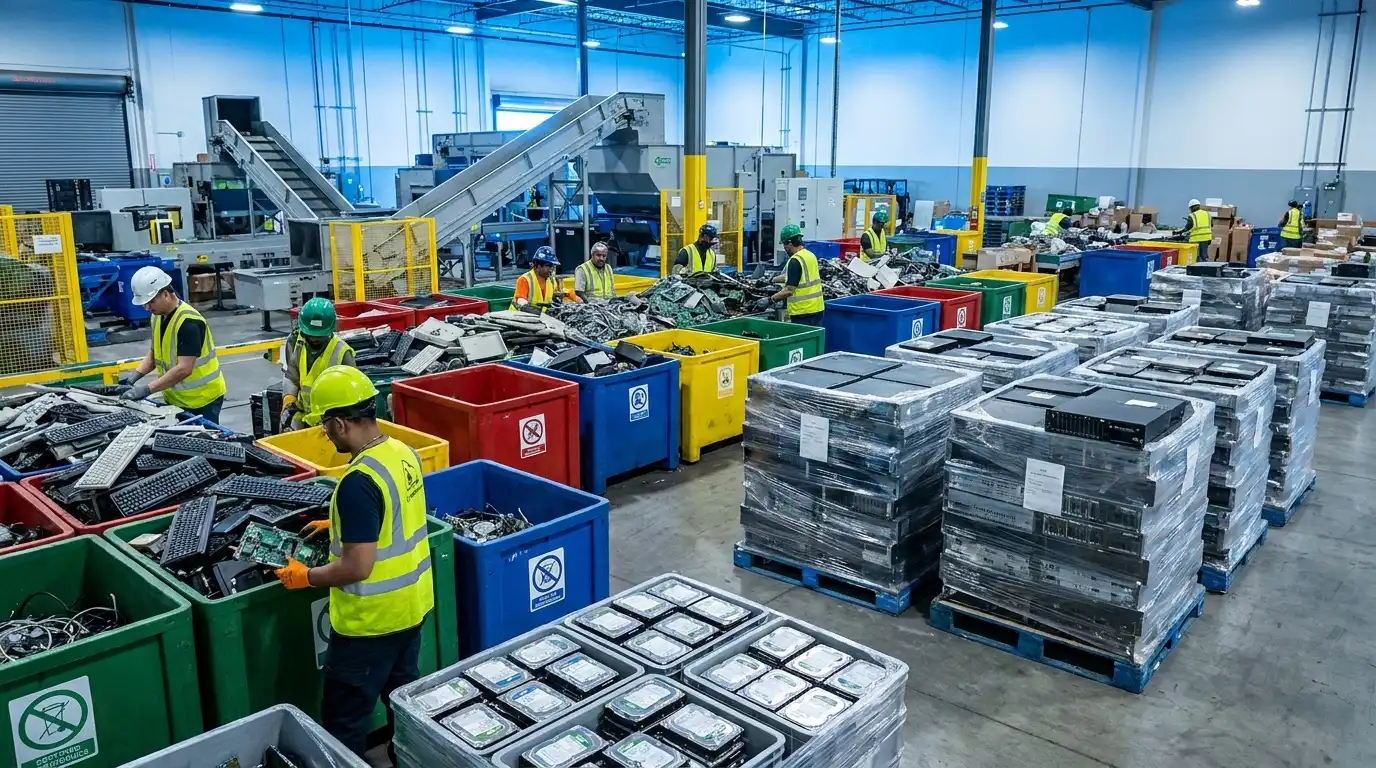
Business E-Waste Recycling: Compliance Guide
E-waste recycling for business is different from consumer drop-off: data, compliance, and volume all raise the stakes. Here's how to do it right.
Read
GLBA Data Destruction Requirements
GLBA data destruction: what the Safeguards Rule and FTC disposal expectations mean for retiring drives, and the audit trail examiners expect.
Read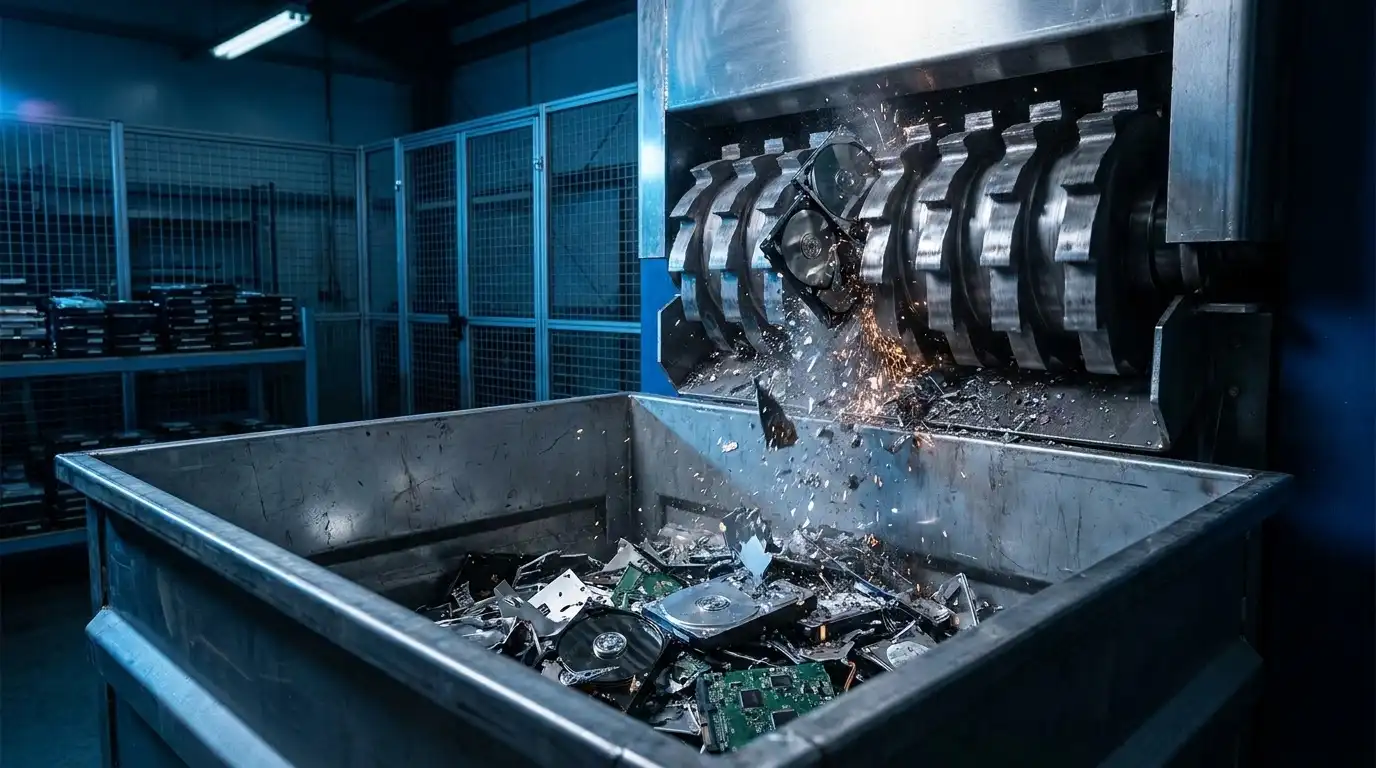
Hard Drive Shredding Cost Guide (2026)
Hard drive shredding cost depends on volume, onsite vs offsite, media type, and proof. Here's what drives the price — and how buyback can offset it.
Read
HIPAA Data Destruction Requirements
HIPAA data destruction means rendering ePHI unreadable and indecipherable on retired media. Here's what HIPAA requires, the NIST standard, and the proof.
Read
NIST 800-88 vs. DoD 5220.22-M: Enterprise Sanitization Guide (2026)
Why DoD 5220.22-M is deprecated and how NIST SP 800-88 Rev. 1 became the enterprise standard. Full technical comparison across media types, overwrite physics, and audit defense.
Read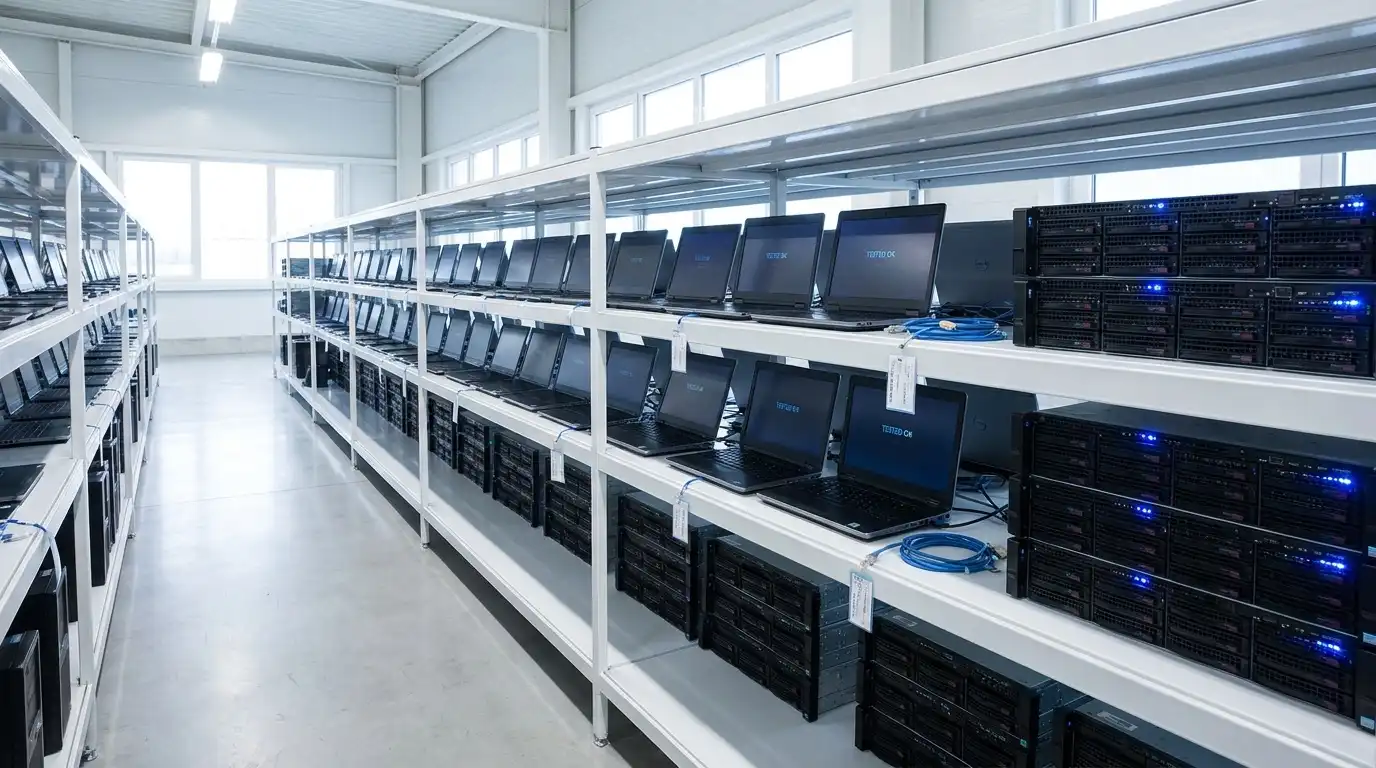
How to Sell Used Servers (Secure Buyback & Value Recovery)
Learn how to sell used servers safely: maximize buyback resale value, eliminate data breach risks with NIST 800-88 sanitization, and choose certified partners.
Read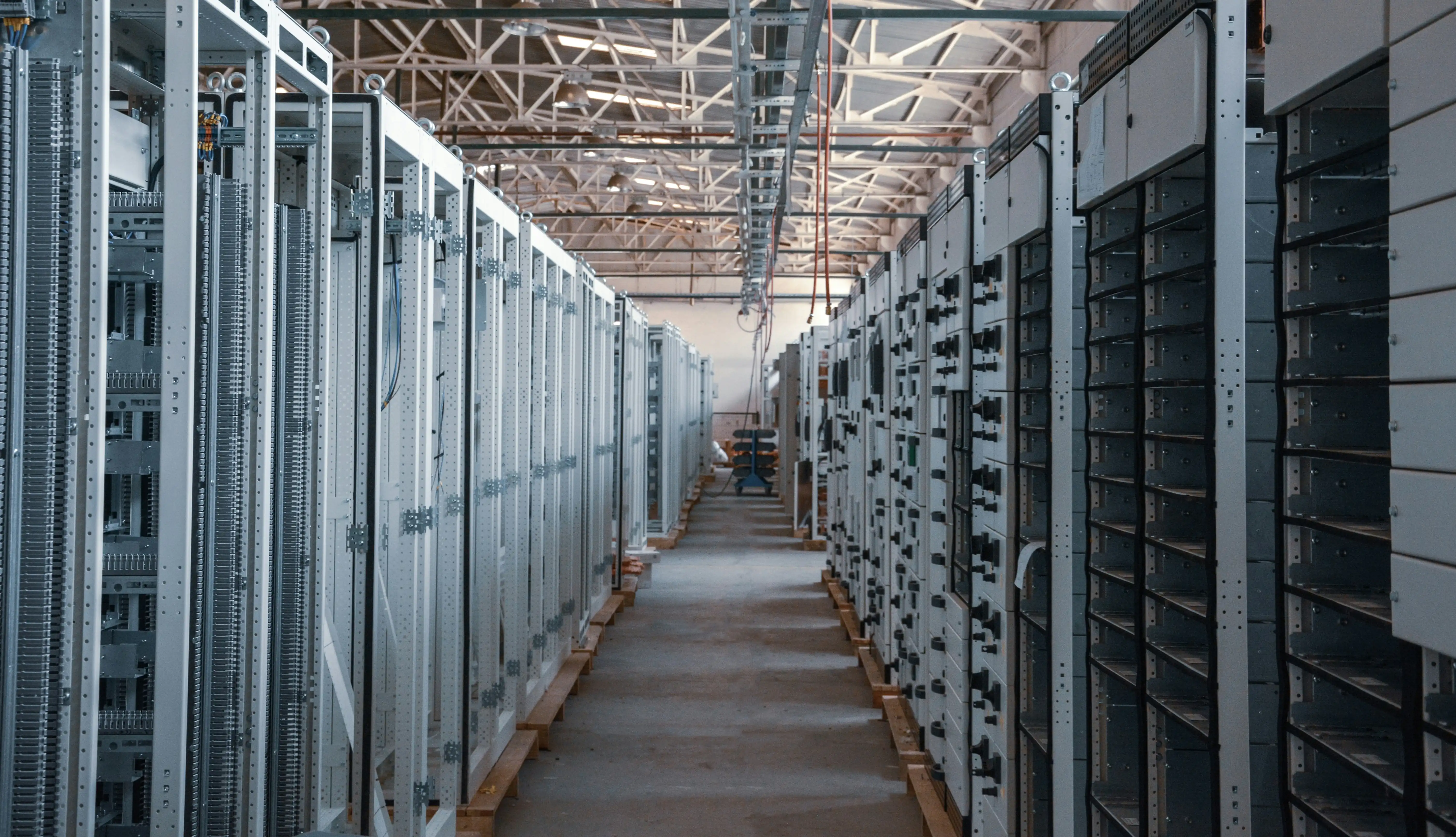
Data Center Decommissioning Cost Factors
Data center decommissioning is priced as a net — service cost minus your hardware's resale value. Here's what drives each side, and when it pays for itself.
Read
Data Center Migration & Chain of Custody
Plan a data center migration without losing uptime, asset visibility, or chain of custody. See how migration differs from decommissioning.
Read Secure Server Disposal & Value Recovery
Server disposal means retiring servers securely at end of life — destroy the data, recover resale value, and recycle the rest. Here's how to do it right.
Read
Chain of Custody for ITAD: Serial-Level Tracking
Chain of custody is the documented trail of who handled each device, from pickup to disposition — the difference between a defensible audit and a breach.
Read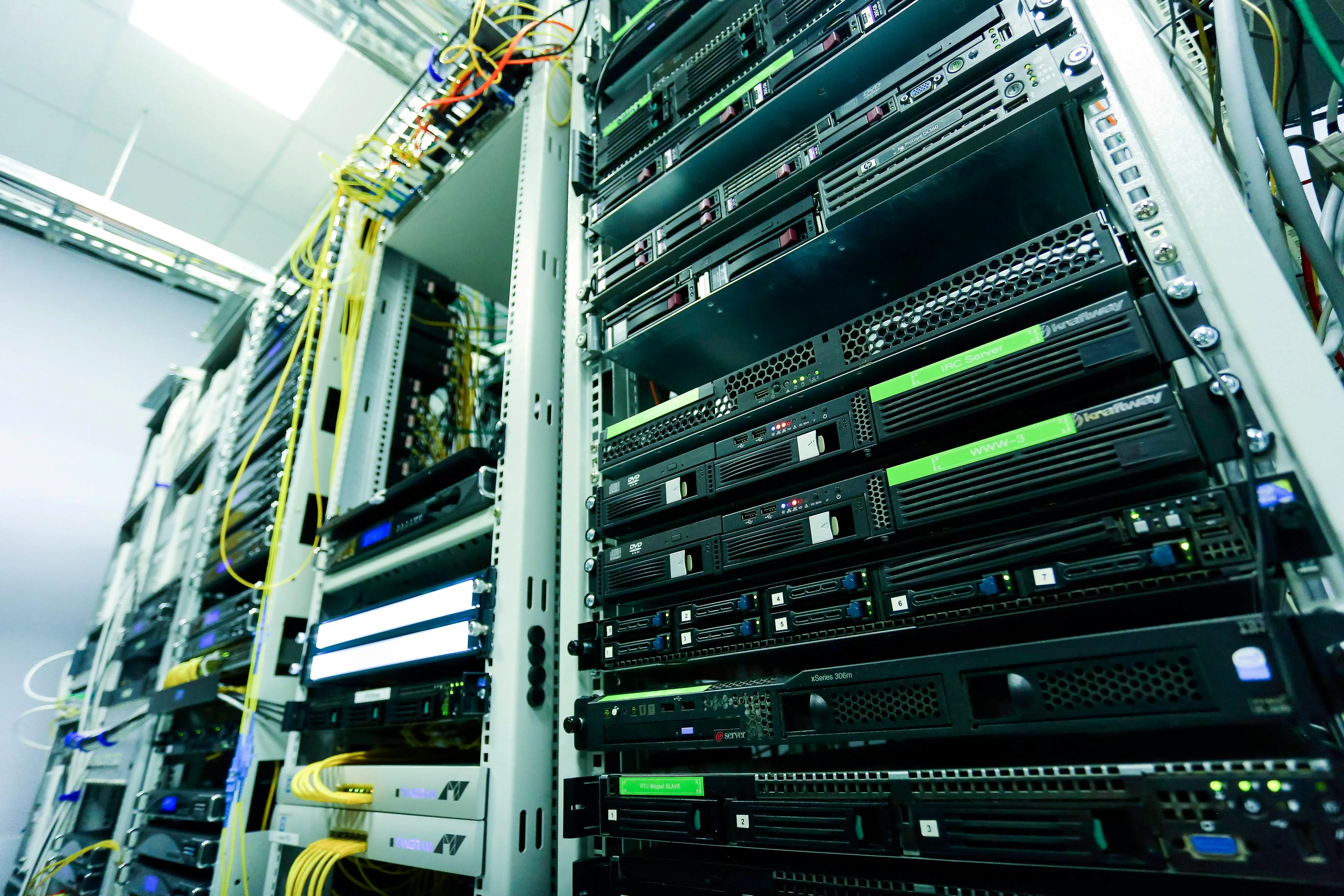
Data Sanitization vs. Data Destruction
Data sanitization and destruction aren't the same. One can preserve the drive's value; the other ends its life. Here's the difference and how to choose.
Read
What is Degaussing? How Hard Drive Degaussing Works
What is degaussing and how does it work? Learn how hard drive degaussing permanently erases magnetic media, why it fails on SSDs, and NIST 800-88 standards.
Read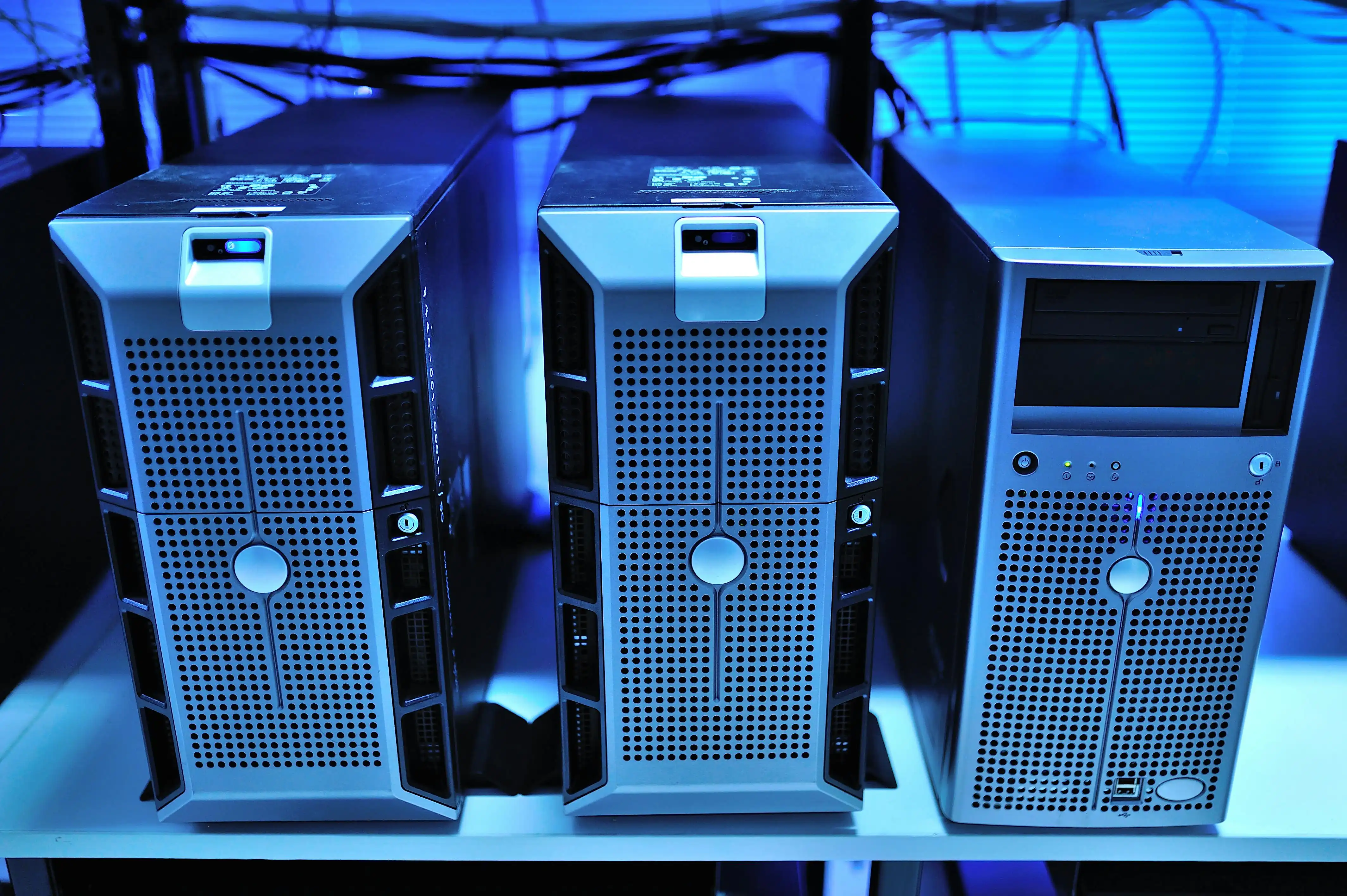
ITAD Cost and Pricing Guide
ITAD pricing isn't a single number — on the right fleet, value recovery can make it net-positive. Here's how it's priced and when it pays you back.
Read
ITAM vs. ITAD: What's the Difference?
ITAM manages IT assets while they're in use; ITAD retires them at end of life — complementary, not interchangeable. Here's where one ends and the other begins.
Read NIST 800-88 Explained: Clear, Purge, and Destroy
NIST SP 800-88 is the U.S. standard for media sanitization. It defines three levels — Clear, Purge, and Destroy — and maps the right one to each media type.
Read R2v3 Certification for ITAD Explained
R2v3 is the leading certification for responsible electronics reuse and recycling. Here's what it requires, why it matters, and how to verify a provider.
Read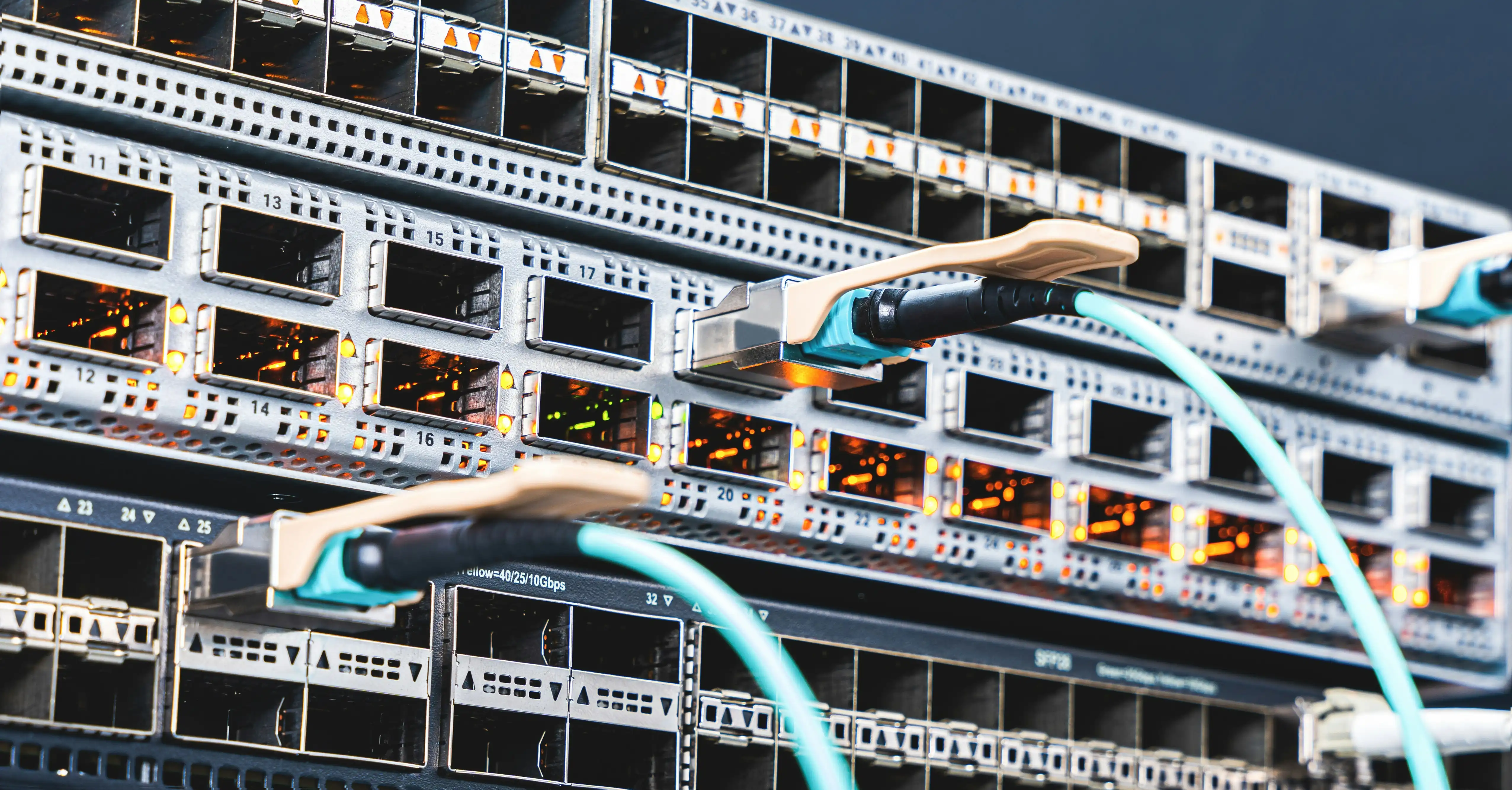
SSD vs. HDD Destruction Methods: The Flash Sanitization Guide (2026)
Why degaussing and multi-pass overwrites fail on solid-state drives. Technical guide to NAND flash wear-leveling, IEEE 2883-2022, 2mm micro-shredding, and NIST 800-88 Purge.
Read The ITAD Process Explained, Step by Step
IT asset disposition (ITAD) is how organizations retire hardware securely, recover its value, and recycle the rest. Here's the process, stage by stage.
Read Data Center Decommissioning Checklist: The 4-Phase Enterprise SOP (2026)
The definitive enterprise data center decommissioning checklist and 4-phase SOP. Covers CMDB discovery, live workload migration verification, NIST 800-88 sanitization, white-space cage surrender, and asset recovery.
Read What Is Data Destruction? Methods & Proof
Data destruction permanently removes data from storage media so it can't be recovered. Here are the methods, the standards, and the proof to ask for.
Read